
SEO for Yoga Teachers: 5 Ways to Help Local Students Find Your Classes
SEO for yoga teachers starts with giving each regular class a web page people can find, recognise and use this term.
Published by the GROW Formula® team · Updated
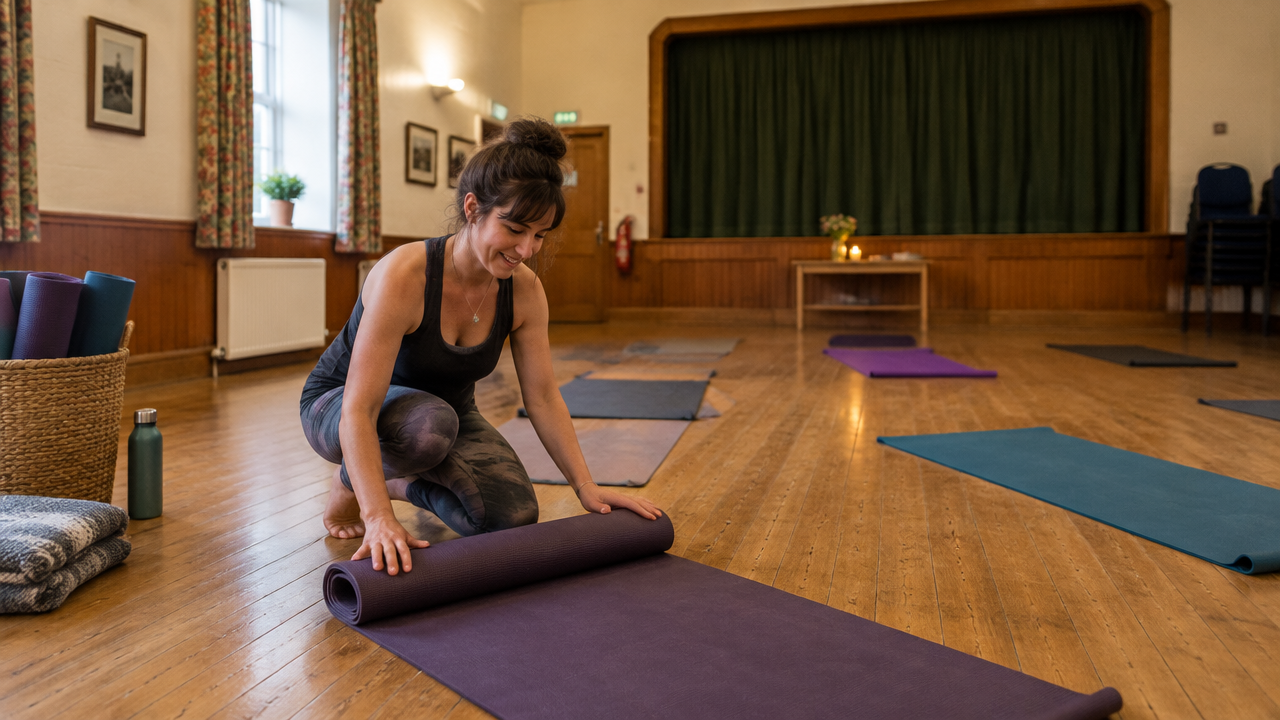
According to Google, the best time to join Aditi’s beginners’ yoga class is September 2023.
It’s the first result Helen finds that fits around her shifts. Tuesday evenings, ten minutes from home, mats provided. She’s halfway through texting her sister when she notices that the advertised early-bird price expired some time before her youngest started school.
Aditi still teaches on Tuesdays. She’s got four empty places and a fresh timetable on Instagram. The village hall has last year’s timetable on Facebook. Its website has the year before that. All three feature the same photograph of Aditi beside a particularly vigorous cheese plant. The plant is doing remarkably well in local search.
SEO for yoga teachers starts with giving each regular class a web page people can find, recognise and use this term. Here are five ways to do that, especially if you teach in hired rooms, share a studio or run a mixture of weekly classes and occasional workshops.
1. Name the class the way a newcomer would look for it
Aditi calls her Tuesday class Room to Move. Her regulars know what that means. Helen knows she can have the car on Tuesdays and would prefer a class where nobody assumes she already knows what to do with her feet.
Listen to the wording people use when they enquire. Then look at the search results for phrases that describe the class you actually teach. The examples below are phrases to investigate. Their volumes haven’t been measured here.
| If you teach… | A search to investigate | What the page should answer immediately |
|---|---|---|
| A beginners’ evening class | beginners yoga in Lancaster | Can I join this week? What day, time and venue? |
| Seated yoga at a community centre | chair yoga classes in Lancaster | Can I stay seated throughout? Is there step-free access? |
| Individual lessons | private yoga teacher Lancaster | Who is the teacher, where do we meet and what does one lesson cost? |
| A live online class | live online yoga for beginners UK | Is it taught live, at what UK time, and will I need any equipment? |
Give the most relevant page a descriptive title and a main heading that makes sense when read aloud. Beginners’ Yoga in Lancaster on Tuesday Evenings is a good title for Aditi’s class page. Room to Move can stay underneath. She’s fond of it, it’s on eighty tote bags, and there’s no need to start a domestic incident over typography. Google’s guidance on titles in search results
2. Give a recurring class one permanent address on your website
Every term Aditi’s venue asks for a poster. Every term she makes a new PDF. Somewhere in Lancaster a well-meaning person is still forwarding TuesdayYogaNEWfinal2.pdf. There’s little you can do about that person. You can do quite a lot about where the link on next term’s poster goes.
Create one stable page for your recurring class, with a short address such as `/beginners-yoga-lancaster`. Keep that address when the term changes. Update the dates, price, availability and booking link on the page. Print the permanent address or its QR code on the next poster. If the class pauses over Christmas, keep the page useful by saying when it returns and whether anyone can join a waiting list.
Put the details in ordinary text that people can read on a phone. An embedded booking calendar can handle the transaction. Your own page should still tell Helen enough to decide whether to open it. For example:
Tuesday beginners’ yoga with Aditi, Lancaster. Tuesdays, 7 to 8pm at the village hall. £11 per class. New students can join any week with an available place. We begin on the floor and move into standing poses. Mats are available. Use the step-free side entrance opposite the car park. See available Tuesdays.
Link to this page from your homepage, timetable and teacher bio using words such as Tuesday beginners’ yoga. Ordinary descriptive links help readers and search engines discover the page and understand where it leads. If old term pages still attract visitors and the same class continues, ask your website provider to redirect them to the current class page. A genuinely different, finished workshop can carry an obvious This event has ended notice and a link to current classes. Google’s link best practices
3. Get the venue working for you in local search
Helen’s sister doesn’t search for a teacher. She searches for what’s on at the village hall. This is also how she discovered a repair café and acquired a second-hand bread maker which, several Sundays later, is still awaiting repair.
Search for your venue and read its public timetable as a prospective student would. Is your class listed? Is the teacher named? Does the link point to this term? Send the organiser a short entry they can paste straight in:
Beginners’ yoga with Aditi. Tuesdays, 7 to 8pm. Join for a single class when places are available. Check dates, prices and booking on Aditi’s Tuesday class page.
Give them the direct link. Do the same for a relevant community directory or a local group that genuinely recommends you. A link from a place local people already consult can send you students even when they’ve never heard your name.
If you run your own eligible yoga studio, claim and verify its Google Business Profile. Check the category, opening hours, address, map pin and booking link. If you hire a hall for an hour a week, check your eligibility first. Google lists an ongoing class at a location you neither own nor have authority to represent as ineligible. The hall’s own listing and your class page can still help people find you. Online-only businesses are also ineligible for a Business Profile. Google’s business eligibility rules
4. Answer the question that decides whether a new student will come
Aditi’s most effective piece of class copy begins with something Helen asks over email: “When you say beginners, do you mean you’ll show us what to do? I’ve been to a beginners’ class before. Everyone seemed to have been a beginner there for years.”
An FAQ headed Can I join if I’ve never done yoga? is worth writing when you have an answer specific to your teaching. For Aditi, that might be:
Yes. I demonstrate each new movement and give you time to try it before we move on. Tuesday is a drop-in class, so you can come for the first time in the middle of term. If you’d like me to show you the room first, arrive ten minutes early and I’ll meet you by the side door.

That answer is useful to somebody who lands directly on the class page from Google. It also gives a local organisation something concrete to tell a nervous first-timer. Other worthwhile questions might concern getting down to the floor, whether a class pass covers missed weeks, or where to leave a bicycle. Choose the ones you actually hear.
If a question warrants a guide of its own, link from the answer to the class that fits. Keep the wording and booking destination specific. A student reading about chair yoga shouldn’t have to rule out hot yoga, aerial yoga and a gong bath to recover the session she was looking at. One well-placed Book chair yoga button will spare everyone a surprisingly eventful afternoon.
5. Count the new students who actually turn up
Before changing your pages, record a baseline. In Google Search Console, open the Search results performance report, filter to a class page and look at its queries, impressions and clicks. Alongside those figures, record how many first-time bookings the class received and how many newcomers attended. Ask new students how they found you. Monthly totals are enough to start. Google Search Console performance report
Use the pattern to decide which job to do next. If searches keep surfacing the 2023 timetable, update the links and redirect the old page where appropriate. If people reach the correct class page but leave at the booking step, open it on your phone and try to buy one £11 place. If the calendar insists on selling you a six-week pass, you’ve found a timetable problem that writing six more blog posts is unlikely to resolve.
A month later Aditi asks a newcomer where she heard about Tuesdays. “My sister sent me the hall website,” says Helen. “I clicked through, saw I could start this week and booked. Lovely to meet you, by the way.”
Her sister comes too. She recognises Aditi straight away from the photograph.
“Whatever happened to that cheese plant?”
“It’s at home,” says Aditi. “It’s done enough for the business.”
Before putting more time or money into attracting yoga students, check that your fees and the number of paid appointments you need add up. Do the maths for your practice.
Once yoga students find you, what happens before, during and after their appointment matters too. Give great service in your practice.
More on be visible online
Where to go next
The same principle in other professions
Ideas often travel well between modalities.

SEO for Chiropractors: 5 Ways to Help Local Patients Find Your Clinic
Neil recommends Imogen by the big Co-op. Help local patients turn half a recommendation into the right clinic, the right door and an appointment.

Websites for Counsellors: Read This Before You Pay a Designer
Helen has twenty minutes and a cheese sandwich. Here's how to build a counselling website she can use before her lunch break ends.

How to Build an Aromatherapy Website That Gets Bookings
Jo has sixty quid from her birthday and a strong dislike of lavender. Here's how to build an aromatherapy website she can actually book from.
How to Build a Reiki Website That Attracts the Clients You’re Calling In
Nell sets an intention to welcome the people drawn to her work. One of them has spent eleven minutes on a page about the moon. Here's how to help him book.