
How to Build a Reiki Website That Attracts the Clients You’re Calling In
Nell sets an intention to welcome the people drawn to her work. One of them has spent eleven minutes on a page about the moon. Here's how to help him book.
Published by the GROW Formula® team · Updated
At nine o’clock on Monday morning, Nell writes an intention in her practice journal.
I welcome the people who feel drawn to my work.
At nine fourteen, one of them rings her friend Liz.
“Can you ask your Reiki woman if she does evenings?”
“You can ask her yourself, Dad.”
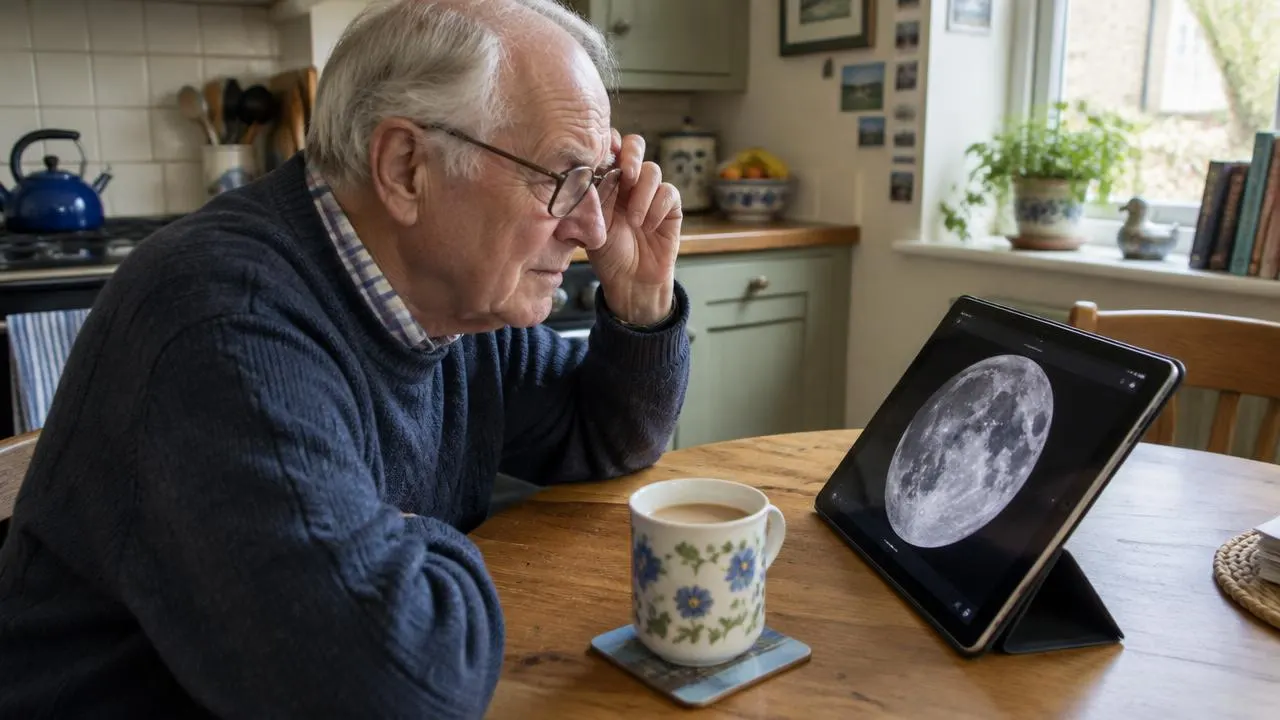
“I did. I pressed ‘Explore’. I’ve been on a page about the moon for eleven minutes.”
For the purposes of this story, Nell is a Reiki practitioner in Stroud, Liz is one of her regular clients, and Liz’s father has recently discovered that you can enlarge things on an iPad by moving two fingers apart. There is now a very large moon in Gloucestershire.
The interesting thing about Nell’s intention is that it’s already playing out in a way she hadn’t imagined. Someone recommended her. Somebody else felt curious enough to look her up. What he found there left him needing a relative.
If manifesting is part of how you approach your Reiki practice, try bringing your website into that practice. Picture one of the people you’re calling in, all the way up to the moment they arrive on your homepage. What did they feel drawn to? And what do they need from you now they’re here?
Start your Reiki website with the feeling you want to offer
That evening Nell opens her journal again. She has a second go at picturing her ideal client. Previously, this person had been a woman in linen who owned several beautiful bowls. Now Liz’s dad keeps turning up. She lets him stay.
What would she want him to feel when he arrives for Reiki? Welcome. Free to ask a question. Free to sit in stillness. Absolutely no pressure to report seeing purple when what he actually saw was the inside of his eyelids.
Those answers make a better brief for a Reiki website designer than “sage green, possibly with gold”. They give Nell actual words for her homepage:
Reiki in Stroud with Nell. I offer one-to-one Reiki for people who would welcome a peaceful hour to themselves. You’re welcome here whether Reiki is already part of your spiritual practice or someone you trust has suggested giving it a try. I offer a choice of hands-on or hands-off sessions, including Thursday evenings.
Try this for your own practice. Finish the sentence “The people I most want to work with will feel at home here because…” Then name two things you actually do that would create that feeling. Perhaps you make room for people to set a personal intention. Perhaps you offer sessions seated in a chair. Perhaps clients can ask for silence and get a whole hour of it, without having to explain that, yes, silence does include the panpipes.
Put those details near the top, alongside your name, the word Reiki and the town or area you serve. If someone has been given your name over a kitchen table, use a web address close to the practice name they’ll remember.
Let people hear how you actually talk about energy
Liz reads the first draft of Nell’s About page aloud. She gets as far as “I facilitate a return to energetic alignment” and stops.
“What do you say when someone’s sitting in the room with you?”
“Usually? ‘Is there anything you’d like to bring to the session, or would you like a bit of peace?’”
“Put that.”
You can write about energy, intuition, lineage and spiritual practice in your own voice. In fact, if those things matter deeply to you, it helps a prospective client to hear why. Give them one personal detail they could only have learnt from you. What drew you to Reiki? What have you come to value about the way you practise? Then let them see what that means for their appointment.
For instance, “I start my own practice by setting an intention. If you’d like to bring one to your session, I’ll make space for that. You’re equally welcome to arrive without one” tells a reader something intimate and useful. Add a recent photograph where they can see your face, the Reiki training you’ve completed and any current professional membership they can verify.
Be precise about the difference between what you believe, what you offer and what you promise. UK advertising guidance allows room to describe spiritual comfort and the relaxing experience of a session. Claims that Reiki physically heals the body need evidence, and CAP says it has yet to see evidence supporting such claims. Check testimonials against the same standard before publishing them, and get permission for the wording you use. CAP’s guidance on advertising Reiki
Answer the question people privately ask somebody else
By Wednesday, Liz’s dad has admitted he had a second question. Would he need to take his shirt off? He hadn’t wanted to ask Liz because Liz would tell Nell, which of course she immediately does.
Nell adds a section called Your first Reiki session. It takes up about the same amount of space as her previous paragraph about the moon.
You’ll stay fully clothed. We’ll talk for a few minutes, then you can lie on the treatment couch or sit in a chair. I’ll ask whether you’d prefer gentle touch or a hands-off session, and you can change your mind at any point. There’s no particular sensation you need to feel and nothing you need to achieve. Towards the end, I’ll let you know we have a few minutes left so you have time to sit up and get your bearings.
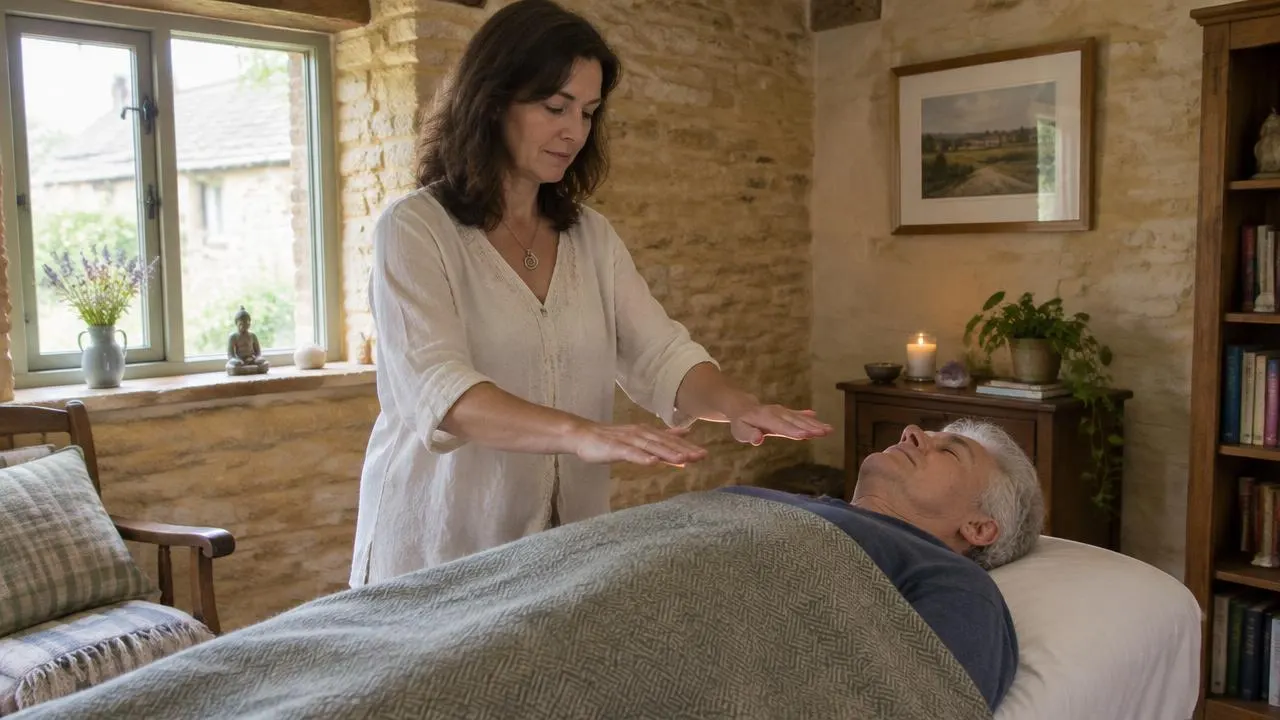
Use the details that reflect your practice. The UK Reiki Federation describes people receiving Reiki seated or lying down, with the practitioner’s hands gently touching or held above the body. It also acknowledges that someone may feel very little. Putting that last detail on your site can be a particular kindness to the person already worrying they might somehow be bad at lying down. UK Reiki Federation’s guide to a session
If you offer distance Reiki, give it a separate, plainly labelled booking option. Tell people whether you’ll meet by video, speak by phone or agree a time without a live call. One sentence about who contacts whom can save two people from sitting very peacefully beside two silent telephones.
Make the invitation specific enough to accept
On Thursday morning Nell replaces Explore with Book a Reiki session. The button appears on every page and opens a calendar with her actual availability. Beside it, she puts the line Liz’s dad was looking for in the first place:
One-to-one Reiki in Stroud · £50 · 60 minutes including time to talk · Thursday evening appointments available
Those are example details. Put your own fee, total time and location together where a visitor can see them before opening the calendar. If you offer a free introductory call, list it first and give it its own booking link. For anyone who still has a question, include your business email, mobile number and a short contact form with a realistic reply time. Directions, a map and information about parking or steps belong somewhere obvious too.
Then borrow a phone. Open your homepage on mobile data and follow the invitation yourself. Does it load promptly? Can you read the fee? When you choose Thursday, are you booking an individual session, a Reiki share or a training course? All three might be wonderful ways to spend an evening. Only one is the evening your visitor has agreed to.
Give your intention a month in the real world
At the end of the month, Nell turns back to the page in her journal. Beneath her intention she adds three questions: How did people find me? What made them feel I might be right for them? What did they still have to ask?
You can ask a new client the first two in ordinary conversation. For the third, look through your recent enquiries. Three people asking whether you offer hands-off Reiki is a good reason to move that detail further up the page. Alongside those conversations, keep a simple count of website enquiries and completed bookings. Next month, change one thing and see what happens.
There’s room in a Reiki practice for both the intention you set privately and the invitation you make publicly. One helps you recognise the people you hope will find you. The other can be as small and generous as telling a nervous stranger that they may keep their shirt on.
On Friday, Liz gets another call. Dad has booked for Thursday at six. He did the whole thing himself. There’s just one more thing he’d like her to ask Nell.
“Does she want those bowls? Your mum’s clearing the loft.”
Before putting more time or money into attracting Reiki clients, check that your fees and the number of paid appointments you need add up. Do the maths for your practice.
Once Reiki clients find you, what happens before, during and after their appointment matters too. Give great service in your practice.
Where to go next
The same principle in other professions
Ideas often travel well between modalities.

5 Essential Acupuncture Website Fixes
Martin has been recommended by his sister and has his diary open. Kate's website needs to answer his questions about needles before a giant close-up puts him off.

5 Ways to Turn Massage Website Visits into Bookings
Leanne has £60, two shoulders and a Thursday afternoon off. Your massage website needs to help her book one good Thursday, not sit a philosophy exam.

4 Sports Therapy Website Fixes for the “Sporty Enough?” Problem
Rachel wants her Saturday run back, not a place in the professional squad. Your sports therapy website needs to show her she belongs.
4 Reasons Patients Leave Your Chiropractic Website Before Booking
Mel is comparing two clinics on the back of a gas bill. Your chiropractic website needs to answer the questions in her columns.