Marketing your Reiki practice
How UK Reiki practitioners can explain a session in everyday words, attract Reiki clients and build a sustainable practice, using the GROW Formula®.
Updated 10 November 2026
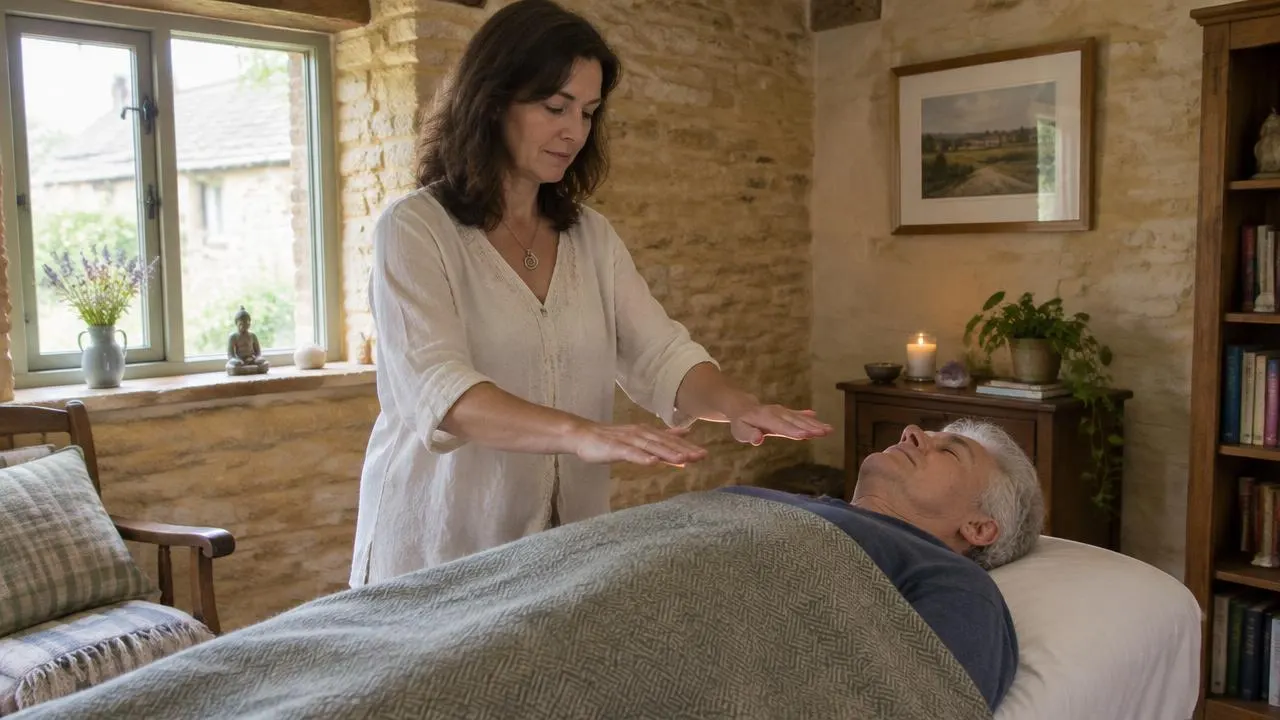
People are often curious about Reiki but unsure what actually happens. Your marketing needs to make the experience feel familiar and grounded so a first session feels like an easy yes.
Start with practical marketing: help Reiki clients find you online, understand what you offer and take the first step towards booking. But attracting people is only part of running a sustainable practice. Your fees need to cover your costs, your service and boundaries need to work for both you and the people you help, and your workload needs to leave room for life outside work.
That is why this guide covers all four parts of the GROW Formula®: Get Clients, Relationships, Ourselves and Wealth. Alongside marketing, you will find the non-clinical skills that help you run your practice and earn a living without overextending yourself.
Instil trust from the first glance
Use the word “Reiki” in your business name and headings, for example “Reiki with [First Name]”, and state your level, such as Reiki Master or Reiki Practitioner.
Show your lineage or training, insurance, membership of the UK Reiki Federation or Reiki Council, and CNHC registration if you hold it. Keep your service menu short, write a friendly bio that explains how you help, dress professionally and use a recent, warm photo taken in your work clothes.
The ASA and CAP Code restrict health claims, so describe the experience and what clients tell you they value rather than promising to treat conditions, and check your wording against current CAP guidance. Describe Reiki as a complementary therapy that people use alongside, never instead of, medical care.
Remove barriers to booking
Offer instant online booking, a mobile number, a business email and a contact form. A free ‘Meet Me’ session lets Reiki clients ask questions and get a feel for you before they commit.
Listen to what people really need when they get in touch, and highlight two or three USPs. Examples include distance Reiki sessions, combined Reiki and sound sessions, or a room with step-free access.
- A “Your first session” page that answers:
- Whether they stay clothed (they do)
- Whether you touch them or work hands-off
- What they might feel during and after
Be visible online
Make sure your website is fast, mobile-friendly and has an always-visible ‘Book Now’ button, plus your bio, USPs, accreditations, testimonials, services, contact details and location. Use the words people type, such as “Reiki practitioner near me” and “Reiki [town]”.
Complete your Google Business Profile and Maps listing and collect Google reviews. List yourself on the UK Reiki Federation and Reiki Council directories, and in local wellbeing listings. Add yourself to general business directories and rating sites too.
Read more on this
All articles on be visible onlinePlan your marketing and learn from it
Use AIDA. Choose one audience that gathers in one place. A cancer support group, a new-parent group or a yoga studio's community board all reach people who are open to Reiki. Craft a simple message, show why you are the right person and make booking effortless.
Track time, money and bookings for each tactic, reflect on what worked and adjust. Avoid promoting discounts or paying for referrals.
If you try Google Ads, hire a specialist, target one or two postcodes and track how many people click ‘Book Now’. Organic social media is the slow route to new clients, often two to five years; the exception is posting in local Facebook groups where your audience is active.
Keep showing up
Follow up after sessions, thank people for reviews and send birthday messages. A regular newsletter with useful content, updates, a little about you and your booking link keeps people in touch.
There are enough clients for everyone, so treat other local practitioners as peers, not competition. Build friendly links with yoga teachers, sound healers, massage therapists and local wellbeing centres. Engage with their social media, meet for coffee and refer to each other. Invite clients to follow you on one platform, and consider a WhatsApp group for them.

Give great service
Reply quickly and kindly, keep forms short and make paying easy. Explain what to wear and what happens in advance, and send a short note after the session inviting any questions.
Make sure your space is private, clean and comfortable, with parking, a toilet and somewhere to wait. Start and finish on time, listen more than you talk, explain your approach and book the next session before the client leaves. If someone complains, respond quickly in person or by phone, empathise and let them choose how to proceed.
Ignite word-of-mouth
Share helpful information Reiki clients can pass on to friends, and ask happy clients for a review with a direct link that makes it easy. Spark conversations by sharing stories and the “types” of people your modality recognises, and ask for a review after each session.
Set boundaries
Communicate your cancellation policy at booking, display your prices everywhere, take card details or payment upfront and decline discount requests. Lead by example on punctuality, and gently set boundaries with friends and family who expect free sessions. Clients sometimes share a lot, so know where to signpost anyone who needs medical or emotional support.
Work smart and schedule strategically
Focus on what clients receive rather than how much you give. Use template messages and your booking system to save effort, and choose a single work location near home where your equipment can stay set up. Group distance sessions and Reiki shares can sit alongside one-to-ones without adding travel time. Arrange your day around your energy, block weekly admin and marketing time, and plan time off for the year ahead.
Separate work and life, and reach out
Keep work and home spaces separate where you can, wear work clothes and fix your working hours. Connect with other Reiki practitioners to ease the isolation of working alone, and use supervision, mentoring, sessions with another practitioner, CPD and group coaching to stay resilient and motivated.
Update your money beliefs and do the maths
If charging feels uncomfortable, examine that belief and replace it with one you believe. Then calculate your annual costs, savings goals and target revenue, and the fee per session that gets you there without exhaustion. Aim to price around third from the top among your 10 nearest competitors, and charge a supplement for any home visits that covers your travel time and costs. If you also teach Reiki attunements, price courses separately and treat them as a second income stream, not a discount route.
Organise and automate your money
Use a separate business account, cash-basis accounting if you can, savings pots for tax, pension, infrequent expenses and time off, and pay yourself on the same day each month. Take payment at booking, use MTD-compatible bookkeeping software and do the maths again every April.
Your reiki marketing checklist
- “What happens in a session” page with photos
- Complementary-care wording checked against CAP guidance
- Reiki directory listings live
- Instant online booking and a free ‘Meet Me’ option
- Google Business Profile complete and collecting reviews
- Cancellation policy and prices displayed
- Fee calculated from real costs and savings goals