
How to Build a Hypnotherapy Website That Puts First-Time Clients at Ease
Priya’s biscuit tin collects the questions people hesitate to ask. They turn out to be the most useful starting point for her hypnotherapy website.
Published by the GROW Formula® team · Updated

The most useful piece of market research Priya ever did cost her £1.80 and came written on the back of a raffle ticket.
She’d agreed to give a short talk about hypnotherapy at the library. Afterwards, rather than do the usual “Any questions?” and watch twelve British adults develop a passionate interest in the carpet, she handed round a biscuit tin. People could write down what they’d really like to ask and drop it in on the way out.
The first ticket said, “Can I open my eyes?”
The second said, “What if I need the loo halfway through?”
The third said, “My wife says I snore. Does this usually come up?”
Priya had spent the previous Sunday writing 900 words for her website about the subconscious mind. At no point had she considered the bladder.
If you’re designing a website for your hypnotherapy practice, borrow the biscuit tin. You can do it quite cheaply if you already own biscuits. The questions a person is willing to ask anonymously are often the ones they need answered before they’ll put their name in your booking calendar.
Here’s how Priya, our fictional hypnotherapist, turns those scraps of paper into a website.
Use your homepage to answer “Is this the right place for me?”
One raffle ticket is folded twice. Inside, somebody has written, “I have to read a poem at my sister’s wedding. Is that a silly thing to come about?”
What a different starting point from Welcome to the limitless possibilities of your subconscious. The person with the poem has quite a specific possibility in mind. It involves reaching the second verse in front of seventy people and an uncle who films everything in landscape except weddings.
Priya sees adults who want to work on speaking in front of people. On her homepage, she writes:
Hypnotherapy for public speaking in Cheltenham If you’ve got a wedding reading, a presentation or a speech coming up, you’re welcome to bring it along. I’m Priya. In our first appointment, we’ll talk about the moment you find difficult and what you’d like to be able to do. I’ll explain how I work, and you can decide whether you’d like to try hypnosis.
Write your own version around the people you actually see, the concerns you’re qualified to work with and the place you practise. If you see clients online, say so. A useful detail can do more here than a whole paragraph of adjectives. You can bring the speech with you tells the reader that Priya has thought about their Wednesday evening in a way that bespoke, client-centred solutions somehow doesn’t.
Explain what clients can do during hypnosis
Priya initially files the loo question under “possibly a joke”. Then she imagines sitting in an unfamiliar chair, being invited to close her eyes and realising she has no idea what the etiquette is for interrupting a trance. Fair question, actually.
A first-session page gives you room to explain how much say a client has. Write it in the order they’ll experience it. What will you talk about before you begin? How do you agree what to work on? What might you invite them to do? How can they pause or finish? Here’s an example for Priya’s fictional practice:
We’ll start with a conversation while you’re sitting comfortably, eyes open and free to ask questions. If we agree to go ahead, I’ll guide you with spoken suggestions connected to the goal we’ve discussed. You can tell me if a suggestion doesn’t suit you, open your eyes, change position or ask to stop. If you need a break, say so and we’ll take one.
Adapt that paragraph to your own approach. If your first appointment is entirely a consultation, make that explicit. If you offer a recording to use afterwards, say whether it’s included and whether it’s a recording of the session itself. These details give people choices before they arrive. They also show more of your professional judgement than a stock photograph of a pocket watch, an object whose main contribution so far has been to suggest that the appointment might be in 1894.
Let people hear the person they’re considering booking
There’s another ticket in the tin. “Will you use the voice you did tonight? I liked that voice.”
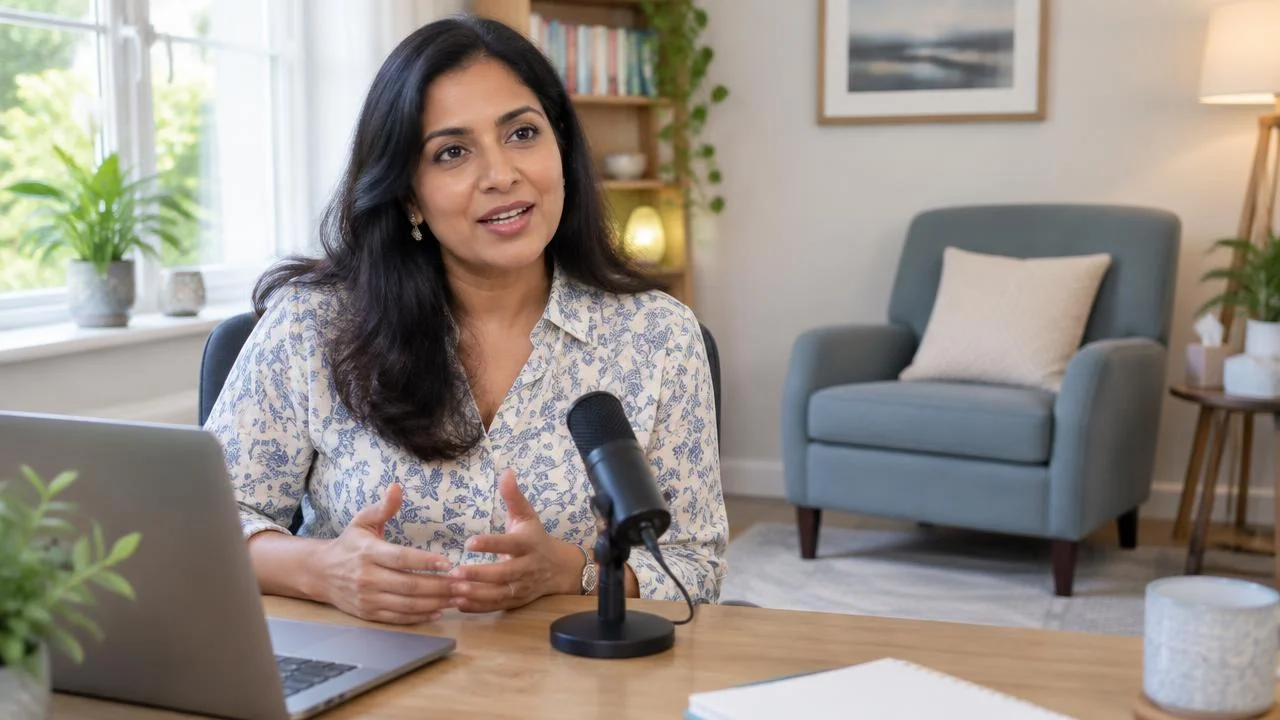
This hadn’t occurred to Priya either. She’d spent £60 on photographs for a service she delivers largely by speaking. A photograph is still useful. People like to recognise the person who opens the door. But a minute of her explaining how a first session begins would give someone another way to decide whether they felt comfortable with her.
If this suits your practice, add a short, optional audio introduction next to your photo and bio. Record yourself answering one genuine question in your normal speaking voice. Label it plainly, let the visitor press play and put the words underneath for anyone who prefers to read. Someone looking you up on the designated silent carriage should retain control over whether the 17:42 to Worcester gets to meet you too.
Use the bio to give your relevant hypnotherapy qualifications, the sort of work you do and a link to your professional register entry where applicable. Be accurate about membership and use only the logos you’re entitled to display. A visitor can listen, read and check your credentials in whichever order matters to them.
Show what the fee covers and what you can honestly promise
The wedding is in six weeks. Its reader would quite reasonably like to know whether they’re contemplating £80, £800 or a financial arrangement that can only be revealed over Zoom.
Put the duration, price and purpose of each appointment together. Priya’s illustrative menu could be as short as this:
| Appointment | What happens | Fee |
|---|---|---|
| Introductory phone call, 15 minutes | Ask a question, discuss what you’re looking for and decide whether to book | Free |
| First appointment, 75 minutes | Discuss your goal and relevant background, agree how to proceed and allow time for hypnosis if appropriate | £85 |
| Follow-up, 50 minutes | Review your experience and continue the work you’ve agreed | £65 |
If someone can book a single appointment, say so. If you offer a package, give its full price and terms. Be equally explicit about what you can promise. You know the fee and how long you’ve set aside. You don’t know how someone will feel when their sister hands them the microphone.
This distinction matters when writing hypnotherapy website copy. The UK’s advertising guidance sets out which claims need evidence and gives specific advice on topics including smoking cessation and serious medical conditions. Check the guidance against each service page, including any claims made in testimonials you choose to publish with permission. A line such as “Walk out permanently free from fear after one session” promises an outcome you’d have to substantiate. You can write a far more informative page by showing what you and the client will actually do together. CAP guidance on advertising hypnotherapy
Keep the booking process as reassuring as the session
Think about the moment after somebody decides, Yes, I could talk to her. On Priya’s website, Book a free introductory call stays visible on every page and opens a live calendar. The confirmation says when she’ll ring and how to rearrange. Someone who’d prefer to write can find her business email, mobile number and a short contact form. The form gives a reply time and leaves room for “Can I bring my poem?” without requiring the sender’s life history.
For in-person appointments, show the location, map, access and parking details. For online sessions, tell people how they’ll receive the link and what sort of space they’ll need. Test the whole thing on a phone, on mobile data, starting from the page for a particular service. That’s where someone following a recommendation might land. Can they play or skip the audio, see the fee and book a call without hunting for the homepage?
A fortnight after the library talk, Priya gets an enquiry. “I’m the one with the poem. I listened to your introduction. Could I book a call on Friday?”
She could have built an entire site around what she knew about hypnosis. What helped this reader get in touch was discovering what it would be like to sit in a room with her. They’d heard her voice. They knew they could bring the poem. They even knew they could get up halfway through if the large coffee they’d bought in anticipation of being brave turned out to have been a tactical error.
Priya keeps the biscuit tin. On the lid she sticks a new label: Things worth putting on the website.
Before putting more time or money into attracting hypnotherapy clients, check that your fees and the number of paid appointments you need add up. Do the maths for your practice.
Once hypnotherapy clients find you, what happens before, during and after their appointment matters too. Give great service in your practice.
Where to go next
The same principle in other professions
Ideas often travel well between modalities.
4 Reasons Patients Leave Your Chiropractic Website Before Booking
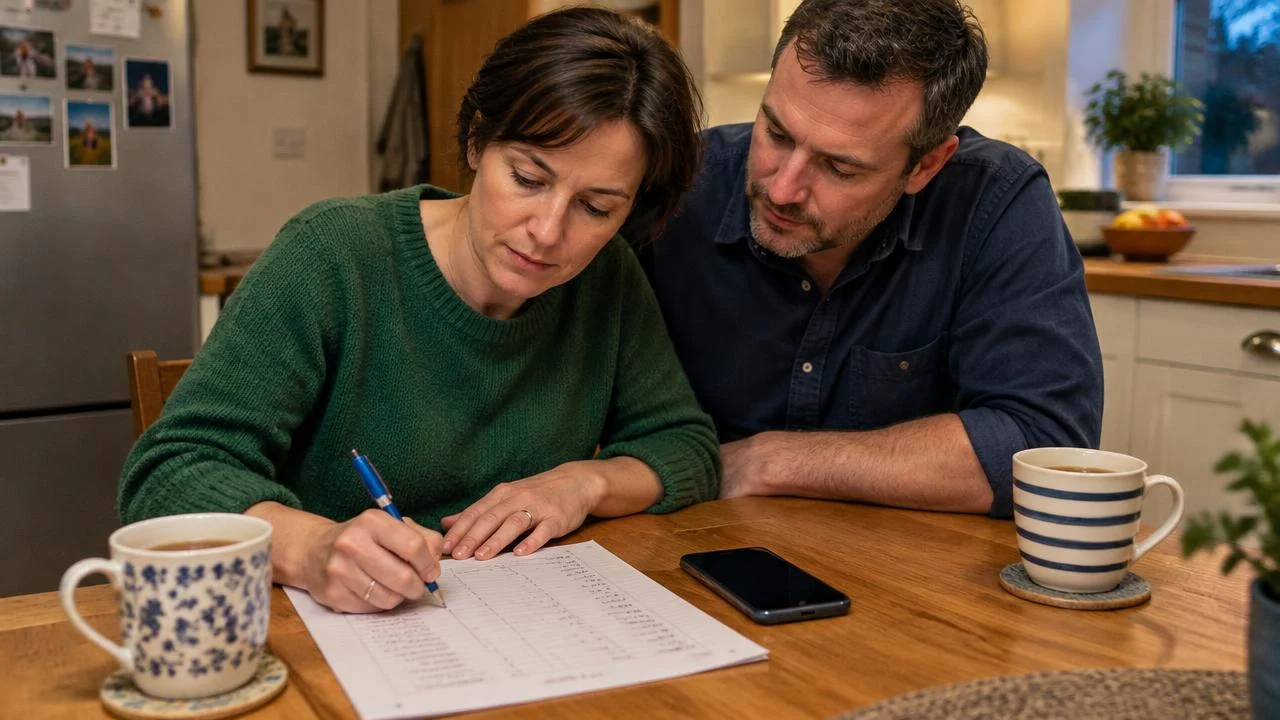
Mel is comparing two clinics on the back of a gas bill. Your chiropractic website needs to answer the questions in her columns.
5 Things Every Osteopathy Website Should Tell a First-Time Patient
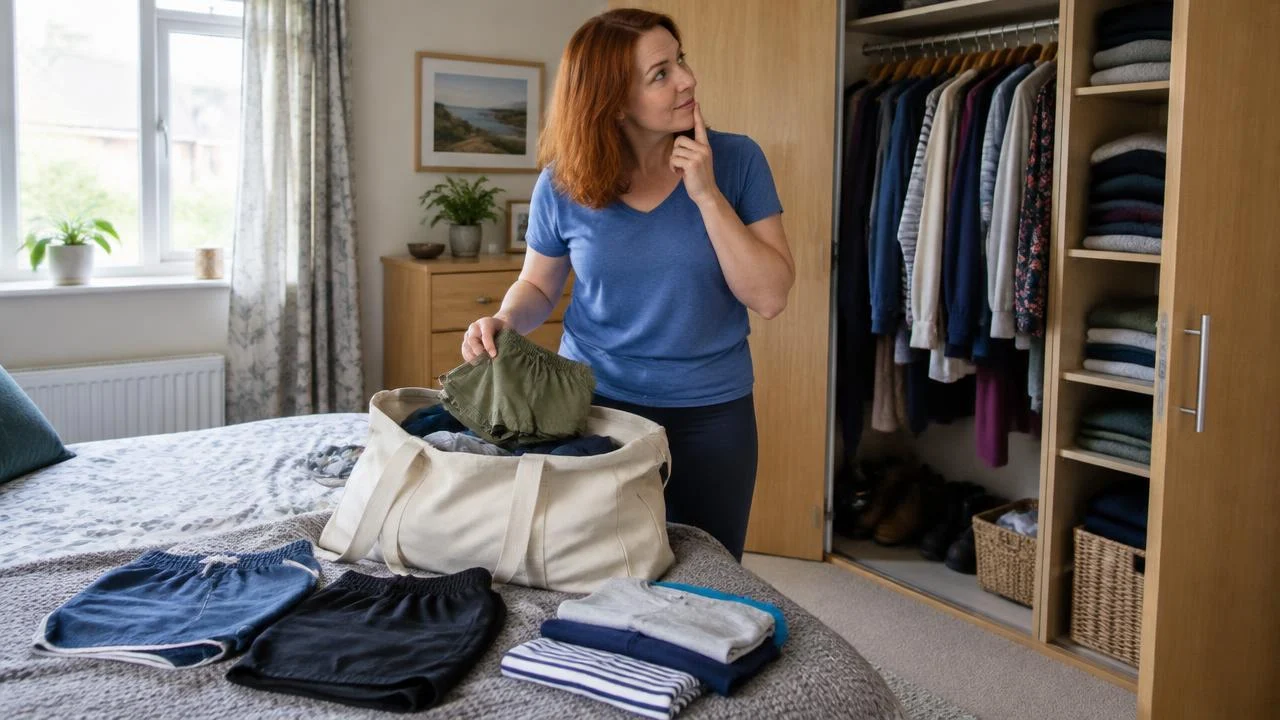
Nina has packed more for her osteopathy appointment than she took to Portugal. Five practical answers on your website could spare her the suitcase.
5 Reflexology Website Fixes That Turn Vouchers into Visits
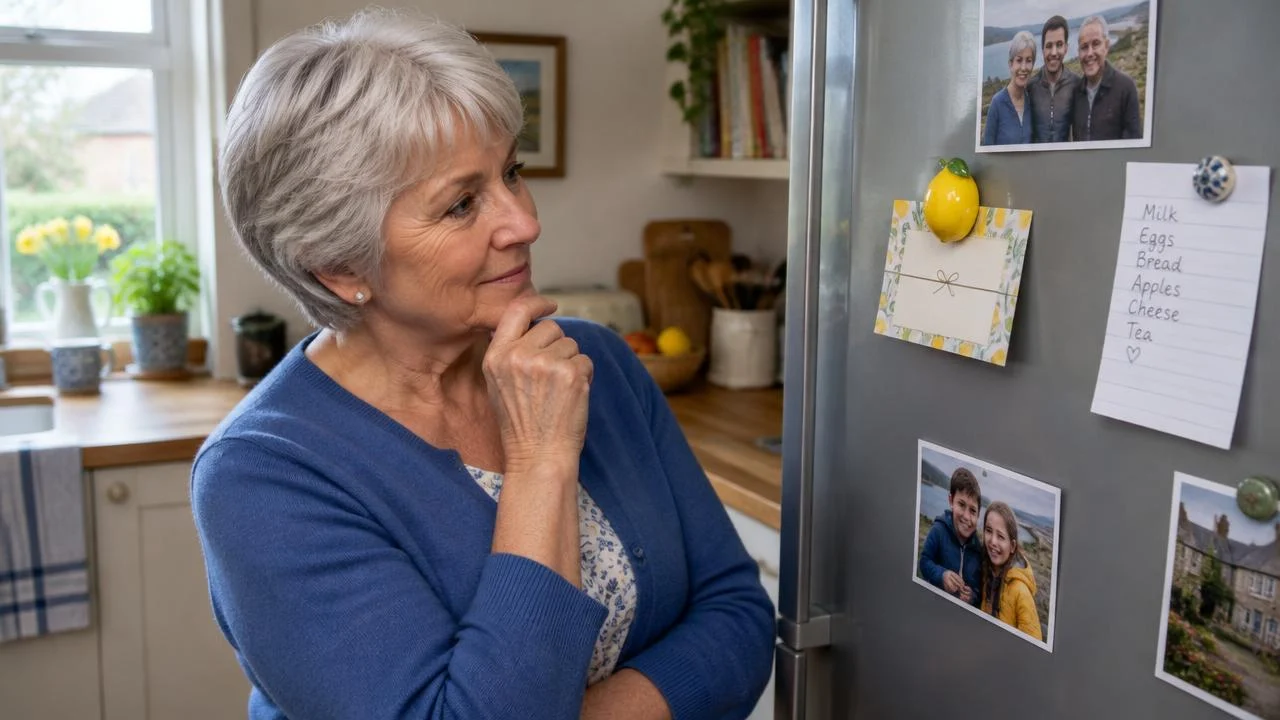
Jean’s reflexology voucher has spent four months under a ceramic lemon. Five website fixes could help her take it off the fridge and book.
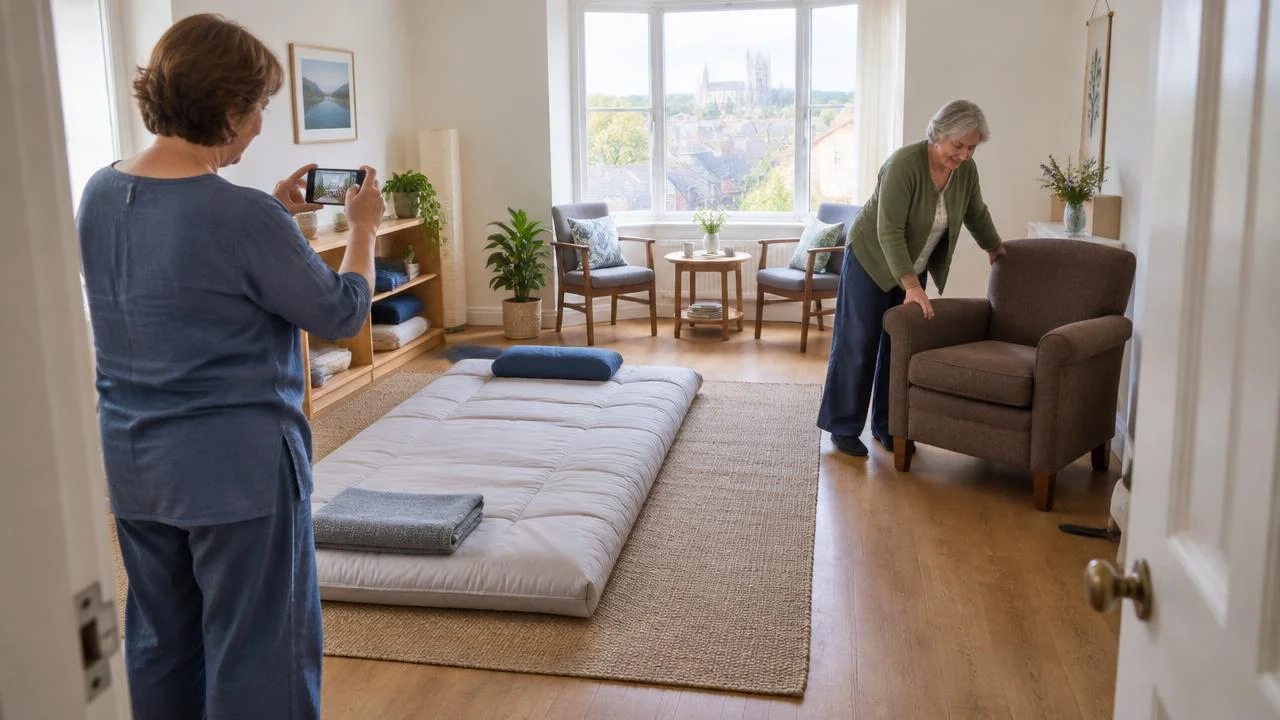
4 Photos Your Shiatsu Website Needs (and What to Write Underneath)
Anna’s friend Val wants the brown chair back in shot. Four photographs and useful captions can answer the questions newcomers hesitate to ask.