
How to Build a Psychotherapy Website That Reflects Your Values (Even on the Booking Page)
Miriam spent a fortnight getting her About page to sound like her. Then her booking software congratulated her on choosing a better you.
Published by the GROW Formula® team · Updated
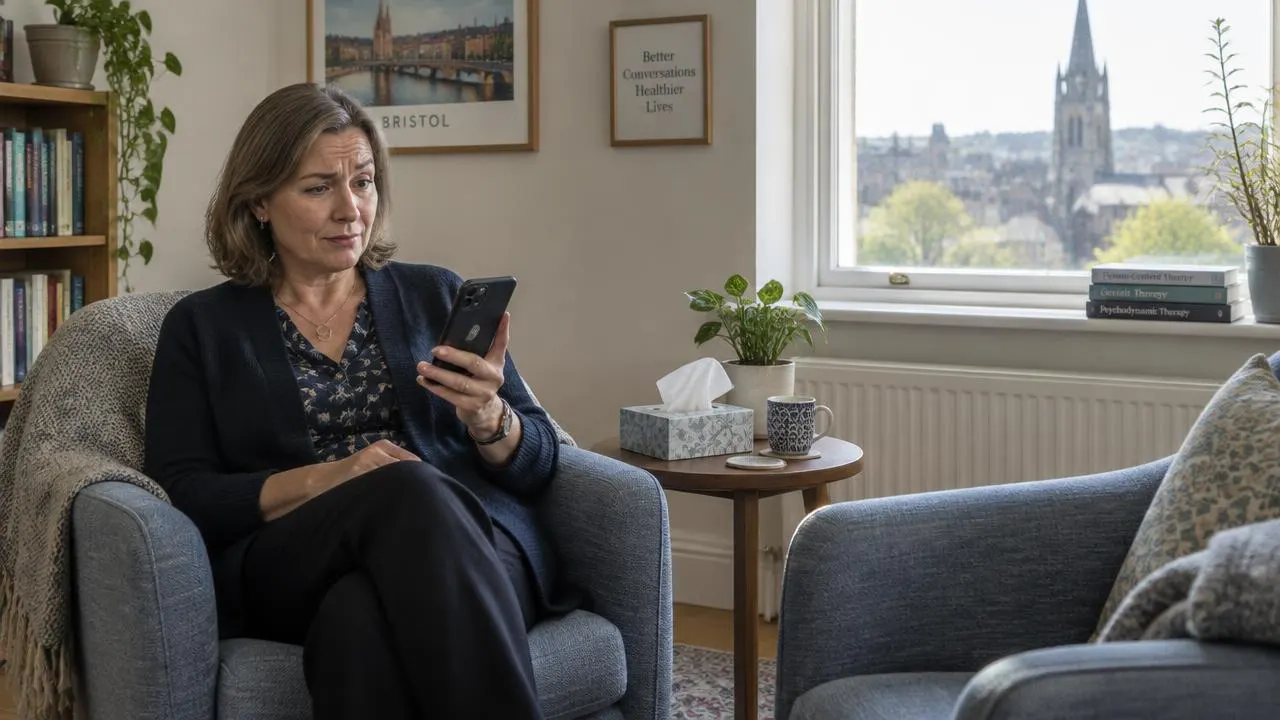
The first person to book a call through Miriam’s new psychotherapy website is Miriam. This is fortunate, because four seconds later her phone lights up with the words Congratulations on choosing a better you!
She looks at it for a bit. She’d been quite fond of the previous Miriam. That woman had paid for the website.
Then comes an email asking her to share her achievement on social media. It’s half past nine on a Tuesday. So far her achievement consists of providing her own phone number to a woman who already has it.
Miriam is fictional. The problem she’s found is familiar to anyone building a private practice website. She spent a fortnight getting her About me page to sound like her. Her booking software got to write the last three sentences a prospective client would read, and apparently it thinks she runs a trampoline park.
If you’re comparing websites for psychotherapists, try Miriam’s experiment before you choose a design. Follow a prospective client all the way from the homepage to the confirmation email. At each step, ask whether you’d be comfortable treating someone this way in your consulting room. Here’s what Miriam changes when she does.
Put something on the homepage that a client can disagree with
Miriam’s first draft says she offers “a warm, compassionate and non-judgemental space”. She means it. So do the other seven psychotherapists whose websites she has open. It would take a brave eighth practitioner to come out in favour of a chilly, judgemental one.
What’s missing is something a visitor can use to decide whether they’d like to work with her. Miriam often works with adults who find themselves taking responsibility for everybody else. Her approach is exploratory, and she’s comfortable with silence. She tries again.
I’m Miriam, a psychotherapist working with adults in Bristol and online. Many of the people I see are used to being the one everyone else leans on. In our sessions there’s time to explore what that role has come to mean for you. You can bring something specific each week, or we can begin with whatever is on your mind when you arrive.
Someone who has spent Sunday lunch keeping the peace between three adults and a gravy boat might recognise themselves in that paragraph. Someone looking for a structured programme with exercises between sessions can also learn something from it. Both people have been well served, even if only one gets in touch.
Try describing a moment your prospective client might recognise. Then explain, in everyday language, what your particular approach would mean once they sit down. If the word relational matters to you, keep it. Give it a sentence to live in.
Let people check your credentials without borrowing a client’s story
Next comes a template section headed What my clients say. Miriam leaves it empty. Her designer offers to put a handsome pair of quotation marks there anyway. He has paid for the font and would like to see it used.
For a UKCP registrant like Miriam, this is a straightforward decision. UKCP explicitly rules out client testimonials in advertising and asks practitioners to represent their training and services accurately. An offer from a delighted client to “just use my initials” doesn’t change that. If you belong to a different professional body, check the code that applies to your practice. UKCP guidance on setting up a private practice
Miriam uses the space for a recent photograph, her relevant qualifications and a link to her professional register entry. She also explains what happens at a first appointment, including when she’ll discuss confidentiality and its limits. A prospective client can check who she is and get a sense of how she works. Nobody has had to lend her the most private Tuesday of their life to help illustrate the point.
Publish the fee before asking for someone’s confidence
On Miriam’s old site, the fee was “available on request”. It felt softer than putting a pound sign on the homepage. Then she imagined making the request.
You work up the courage to email. The therapist replies warmly. It’s £25 more than you can afford. Now you have their kindness, their fee and a fresh administrative task called politely disappointing a stranger. All this to obtain a number Miriam knew on Monday.
A short fees section can do a surprising amount of ethical work. Give the session price, duration, usual frequency and cancellation terms. If you offer lower-cost places, explain how someone can ask and whether any are currently available. Show the total commitment plainly enough for a person to make the sums work in their own time.
Near the fee, explain the first step. Miriam’s version reads:
You’re welcome to book a free 15-minute introductory call. I’ll ring you at the time you choose. There’s room to ask about how I work, fees or availability. You can decide afterwards whether you’d like a first appointment. Individual sessions are £70 for 50 minutes and usually take place weekly.
Those figures are illustrative. What matters is the last bit of freedom the wording leaves intact. The visitor can have the conversation, go and make a cup of tea and decide on Wednesday.
Ask less of someone making a first enquiry
Miriam tests her contact form. Underneath Name and Email is a compulsory box: Please describe the difficulties that have brought you to therapy.
What brought test-client Miriam here was a wish to find out whether there’s a downstairs loo. The form declines to continue until she has experienced a difficulty of at least twenty characters.
Separate what you need to answer an enquiry from what you’ll need later to begin therapeutic work. A name, a way to reply and a short message will often do for first contact. Make it obvious that someone can ask a practical question without recounting their history. Put your privacy information beside the form, where the person is deciding what to share. The Information Commissioner’s Office advises organisations to collect only the personal data needed for the purpose and to provide privacy information when collecting it. ICO guidance on data minimisation · ICO guidance on when to provide privacy information
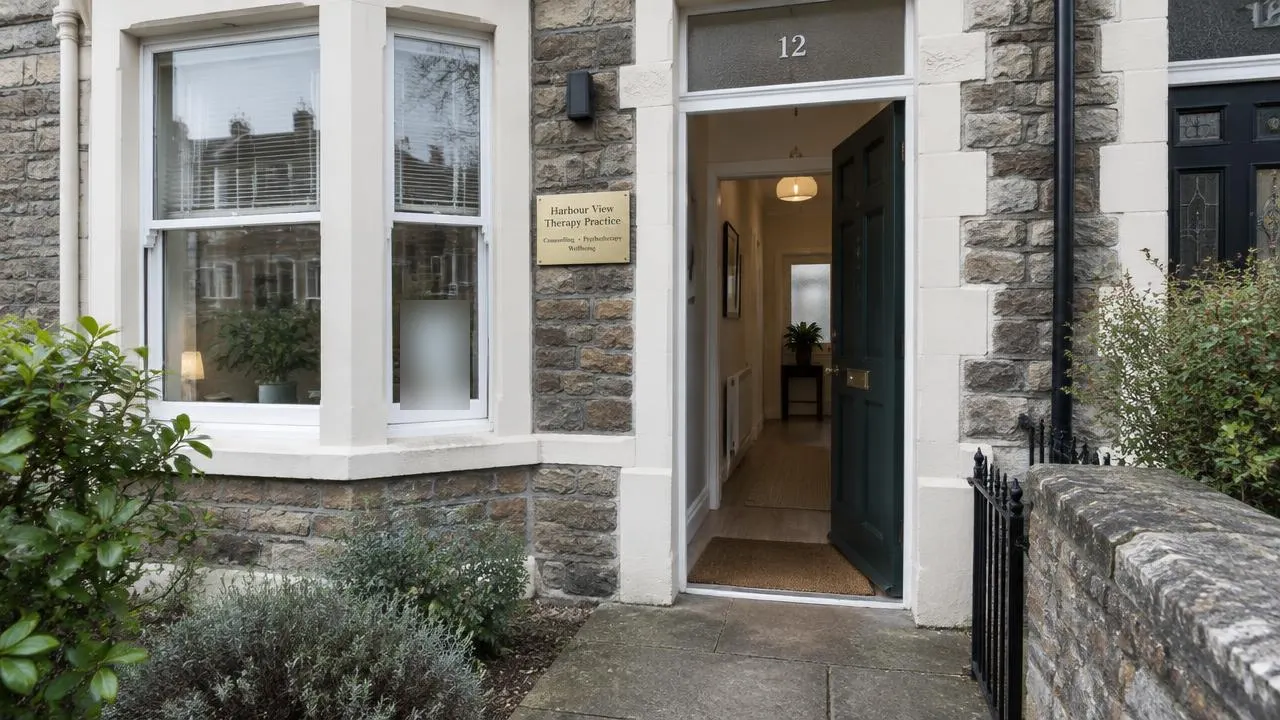
Privacy also has a surprisingly practical relationship with architecture. If you describe your practice as accessible, say what that means. Is there a step at the front door? A downstairs loo? A shared waiting room where clients might meet someone leaving? A photograph or a plain sentence lets the visitor decide what works for them without having to tell you why they’re asking.
Book yourself in and read everything that comes back
Miriam’s revised button says Book a free introductory call. It stays visible on every page, works on a phone and opens the calendar for that appointment. Alongside it sits a gentler option, Ask a question, with a business email address, phone number and realistic reply time.
Before you launch, book a test slot on your own phone and check four things:
- What appears on the lock screen? Read the sender name, subject line and reminder preview as someone who shares a home or device might see them. Choose discreet, recognisable wording and explain what reminders to expect.
- What have you committed the person to? The confirmation should name the appointment they chose, its cost and who contacts whom. An introductory call should leave the decision about therapy open.
- Can they change their mind? Try cancelling or moving the test booking. If it takes you twelve minutes and you own the website, your client is unlikely to have a competitive advantage.
- Does every practical detail agree? Check the fee against your booking system, the address against the map and the availability against your diary. Check, too, that you actually receive a test enquiry.
The following Tuesday Miriam books herself in again. Her phone says, “Your call with Miriam is booked for Thursday at 10am.” The email explains that Miriam will ring, gives the number that will appear and includes a link to rearrange. It makes no assessment of her progress as a human being.
She sits in the consulting room for a moment, reading it back. It sounds like something she’d say to a person standing at the door. She presses save.
Before putting more time or money into attracting psychotherapy clients, check that your fees and the number of paid appointments you need add up. Do the maths for your practice.
Once psychotherapy clients find you, what happens before, during and after their appointment matters too. Give great service in your practice.
Where to go next
The same principle in other professions
Ideas often travel well between modalities.

5 Ways to Turn Massage Website Visits into Bookings
Leanne has £60, two shoulders and a Thursday afternoon off. Your massage website needs to help her book one good Thursday, not sit a philosophy exam.

4 Sports Therapy Website Fixes for the “Sporty Enough?” Problem
Rachel wants her Saturday run back, not a place in the professional squad. Your sports therapy website needs to show her she belongs.

4 Reasons Patients Leave Your Chiropractic Website Before Booking
Mel is comparing two clinics on the back of a gas bill. Your chiropractic website needs to answer the questions in her columns.

5 Things Every Osteopathy Website Should Tell a First-Time Patient
Nina has packed more for her osteopathy appointment than she took to Portugal. Five practical answers on your website could spare her the suitcase.