
Physiotherapy Marketing: How to Find Out Where New Patients Come From
When a new patient says “Google”, that may only be the last step. Two questions reveal who really sent them, and where your next marketing pound should go.
Published by the GROW Formula® team · Updated
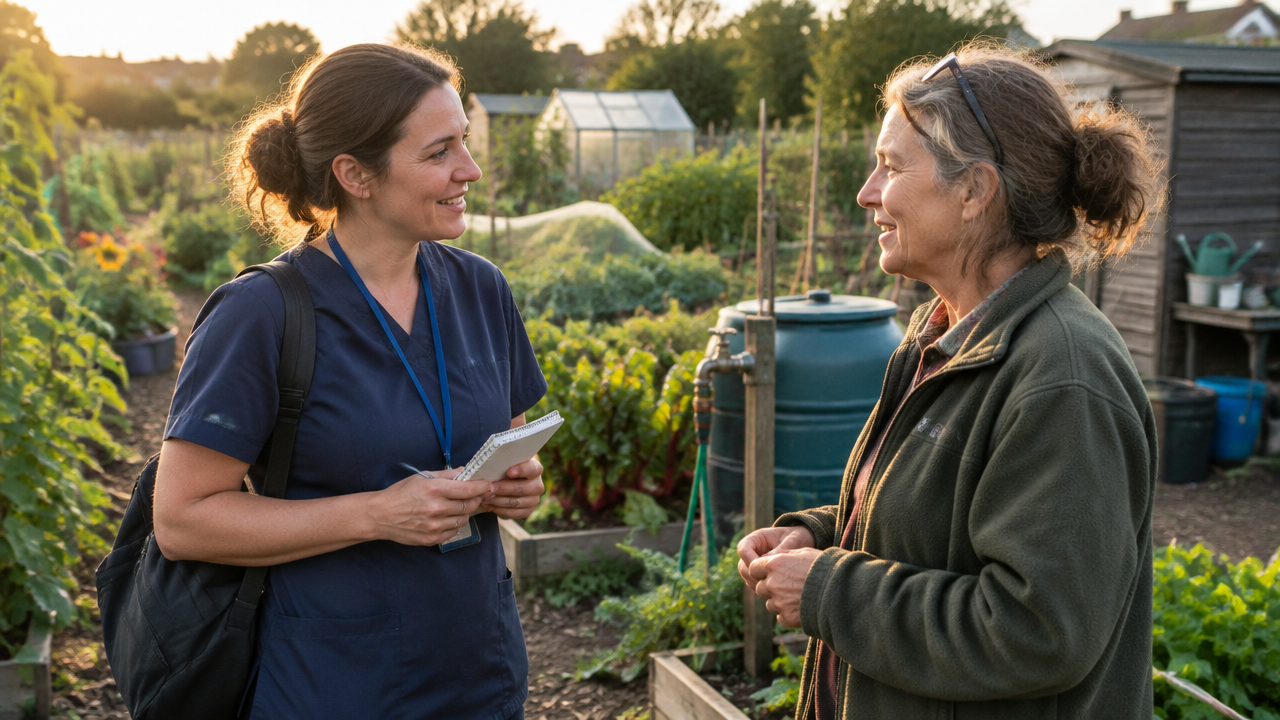
When physiotherapist Nisha asks a new patient how he found her, he says, “Google.”
His wife, who has come along to give him a lift, looks up from her crossword. “I found you. Google told him where to park.”
There follows a short domestic inquiry. It establishes that Val heard Nisha speak at the allotment society, told her husband George about her and put the clinic’s name on the fridge. George typed it into Google three weeks later. All parties agree that Google did an excellent job with the parking.
Nisha’s booking system allows one answer. She’d been using that little box to decide where to spend next month’s marketing budget. On the evidence currently before her, she ought to give Google a pay rise and have a difficult conversation with Val.
If you run a physiotherapy practice, finding out where new patients come from takes two questions: “Where did you first hear about us?” and “What helped you decide to book?” The answers can point to different people, places and moments. Here’s how to use them to plan a campaign, track what it costs and decide which parts deserve another go.
Pick a booking goal you can recognise in your diary
Nisha has four weekday morning appointments she’d like to fill with new patients over the next six weeks. That gives her a better starting point than raise awareness of physiotherapy. Awareness doesn’t mind which day it comes in. Nisha’s receptionist does.
Before choosing a marketing tactic, write down which appointments you want to fill, who could realistically attend and where those people already gather around a shared interest. Include the fee a patient would actually pay. A free conversation and a paid initial assessment are different entries in your diary, and it helps to know which one you’re counting.
Nisha gardens at the same allotments as Val. In the queue at the tap, she hears people comparing the jobs they’ve stopped doing because their backs are bothering them. They’re interested in getting back to the plot, they meet regularly, and some can attend her morning clinic. She asks the organiser whether a short question-and-answer session would be welcome. He offers her twenty minutes at the next meeting, between the treasurer’s report and an item rather ominously entitled Shed.
Give the local talk one useful job
In the GROW Formula’s Plan and Learn approach, a campaign follows four stages: attention, interest, desire and action. For a physiotherapist, the interesting bit is what those stages look like to the person sitting at the back of a village hall with an enamel mug.
| Stage | What Nisha does |
|---|---|
| Attention | Gets the organiser’s agreement to speak where plot holders already meet. He includes the talk in his usual meeting notice. |
| Interest | Titles the talk When your back interrupts the gardening: what happens at a first physiotherapy appointment? People know what question she’ll answer. |
| Desire | Uses a volunteer to demonstrate the conversation that starts an assessment. She listens, explains what she’d want to understand and leaves time for questions. People can judge whether they’d feel comfortable seeing her. |
| Action | Offers a free 15-minute clinic introduction to anyone who wants to meet privately before deciding. A short link takes them straight to available times. |
Nisha asks her volunteer, “Which job on the plot do you most want to get back to?” He says digging. His wife says he hasn’t dug anything since 2018. After some discussion, it turns out he’d quite like to be able to kneel beside his grandson while they pick strawberries.
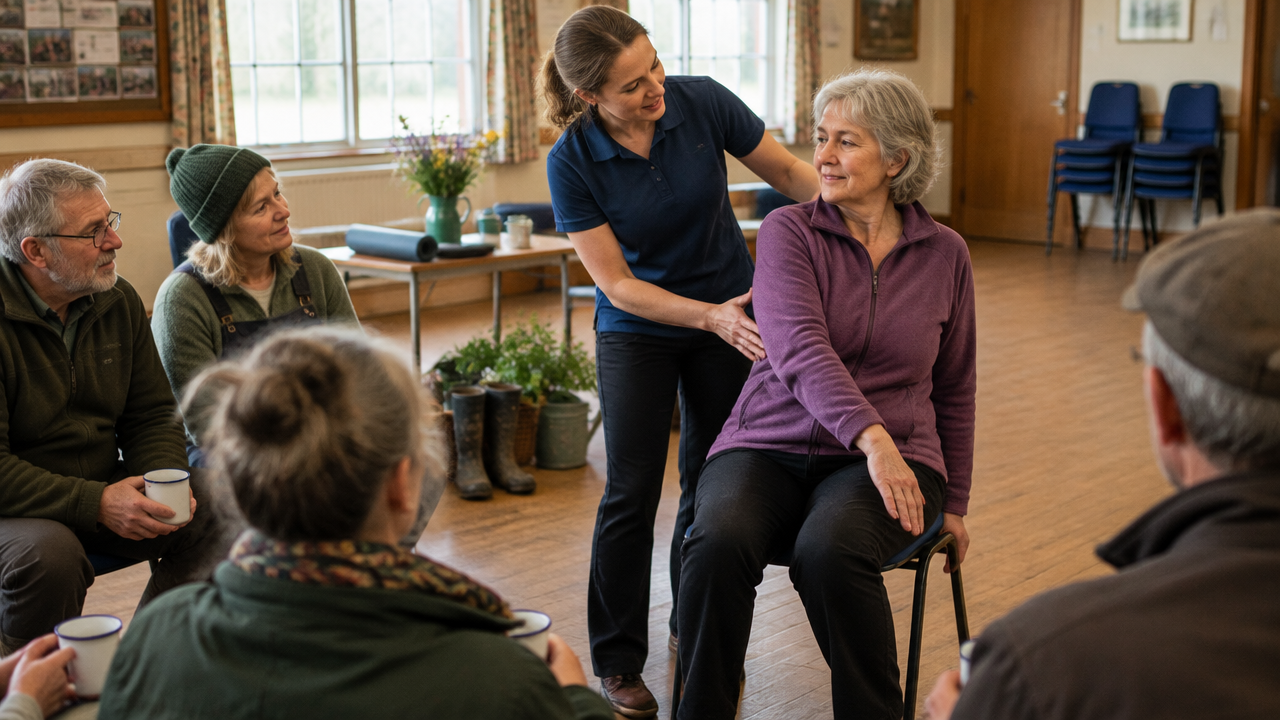
That exchange does more to show how Nisha works than a slide headed Patient-centred care. It also gives people something worth passing on. Val tells George, “She asked him what he wanted to do and actually waited for the answer.” George has been talked over at appointments before. That detail matters to him.
Keep the invitation simple. Say what happens in the introduction, how long it lasts and what a paid first appointment costs. Put the free option first in your online booking menu. A visitor who is ready to book an assessment can go straight to it. Anyone who came for the strawberries can enjoy the strawberries. There’s no need to introduce an allotment discount or pay Val a commission.
Record the introduction, the deciding moment and the booking
Add an optional “Where did you first hear about the practice?” field to your enquiry or booking form. Include personal recommendation, local event, Google search, Google advert, professional referral, other and can’t remember. Allow a few words of free text. Someone at the allotments is a perfectly useful answer. You don’t need their plot number.
Then, when it feels natural, ask “What helped you decide to book?” Listen for something you could use in the next campaign. Perhaps a friend described your manner. Perhaps the patient could see your fee without having to ring. Perhaps yours was the first clinic whose booking calendar contained the mythical Thursday after five.
Here’s how three enquiries might look in an anonymous tally:
| First heard about the practice | What helped them decide | Outcome |
|---|---|---|
| Partner attended allotment talk | Partner’s account of how Nisha listened | Paid first appointment attended |
| Searched Google for a local physiotherapist | Fee and morning availability on clinic page | Paid first appointment attended |
| Local Google advert | Free introduction felt manageable | Introduction attended, considering assessment |
George appears once in the count of paid first appointments. The talk gets a note for prompting a recommendation. Google gets a note for helping him locate the clinic. An organic search for the name his wife gave him earns precisely zero credit in the paid Google advert column. That distinction becomes rather important when somebody sends an invoice.
A separate booking link for an advert or a QR code on a handout can help identify the route people took. Test it on a phone before the campaign. Keep a column for unknowns and keep clinical details out of your marketing tally. You can make a good spending decision without writing down anybody’s reason for seeking care.
Compare the money, the time and the attended appointments
Set the review date before you start. Nisha runs her campaign for six weeks, then allows time for appointments booked near the end to take place. She records advertising costs, preparation, travel, follow-up and time spent on free introductions. Here’s an illustrative example, with each new patient assigned to one first source.
| First source | Cash spent | Practitioner time | Enquiries | Paid first appointments attended |
|---|---|---|---|---|
| Allotment talk, including introductions through attendees | £30 | 4 hours | 6 | 3 |
| Geographically targeted Google Ads, including management fee | £150 | 1 hour | 7 | 2 |
| Other unpaid recommendations or organic Google searches | No additional campaign spend | Recorded separately | 4 | 2 |
The talk cost £10 in cash per new patient who attended. The ads cost £75. But Nisha also gave the talk four hours. If she values her marketing time at £30 an hour, the comparison becomes £50 per attended first appointment for the talk and £90 for the ads. Those are example costs, not industry benchmarks.
At a £70 initial fee, the talk generated £210 in first-visit revenue. The ads generated £140. Nisha still has to pay for the room and her clinical time. She can add revenue from any subsequent appointments when they happen. She can also record later referrals that started at the talk. Neither belongs in this month’s figures on the strength of optimism.
Decide what to change before buying another advert
Nisha’s figures suggest a modest next move. She’ll repeat the talk once, reusing the material so preparation takes less time. Six people enquired and three attended a paid assessment, so she’ll ask what the three who came remember and check whether the booking route worked for the others. The sample is small. She’s planning another experiment, not acquiring the national speaking rights to allotments.
For Google Ads, she’ll ask her specialist which searches the money bought, which nearby postcodes were targeted and whether the advert linked to the relevant clinic page with a prominent booking button. She’ll compare booking-button clicks with completed and attended appointments before agreeing to a higher budget. If seven people enquired but only two attended, their reasons may tell her more than buying seven more enquiries at the same price.
The following month, Nisha changes the booking form. She keeps the first question and leaves room for the second answer. At reception, George asks whether Val’s contribution was ever formally recognised.
“Yes,” says Nisha. “I put down that she recommended me after the talk, and you used Google for directions.”
Val looks up. “And who drove?”
Where to go next
The same principle in other professions
Ideas often travel well between modalities.
Massage Advertising: Where to Advertise and How to Tell What Gets Bookings
Before you spend money on massage advertising, decide which appointments you want to fill, who could realistically attend them and how you'll recognise a booking that came from the advert.
How to Get Clients as a Personal Trainer: From First Conversation to First Paid Session
There's often a gap between somebody wanting your help and knowing what a first session with you would involve. Here's how to close it without conducting a sales presentation beside a kettlebell.