
5 Things to Put on Your Alexander Technique Homepage
Hilary’s choir folder has room for the music, but not for guessing what a lesson involves. Five homepage details can help new pupils take the next step.
Published by the GROW Formula® team · Updated

Every Wednesday evening, just before the first note of choir practice, Hilary’s shoulders rise to the occasion. Considerably further than the occasion requires.
She’s scarcely aware of it until the conductor says, “Everyone relax your shoulders,” at which point she lowers hers, takes a breath and puts them straight back where she found them. She has now been running this system for eleven years.
Someone in the altos recommends a local Alexander Technique teacher. On the bus home, Hilary opens his website. The heading says Rediscover your natural poise. Underneath is a black-and-white photograph of a man sitting exceptionally well on a chair.
Hilary sits up a bit. Having exhausted the practical possibilities of the homepage, she checks how many stops she has left.
If you teach the Alexander Technique, you could probably spend a fascinating lesson exploring what Hilary did between seeing the photograph and sitting up. The trick is getting her to book one. Here are five things to put on your homepage so a newcomer understands what you teach, recognises a reason to try it and can take the next step.
1. A headline that names the lesson and the place
Sam, the fictional teacher Hilary has been recommended, put a lot of thought into Rediscover your natural poise. He spent rather less time thinking about how a stranger would establish that he was the right Sam in Sheffield. As it stands, the bus has told Hilary more about her location than the website has.
Start with the words someone can recognise from a recommendation or a Google search. Then use the line below to make the idea come alive. For example:
Alexander Technique lessons in Sheffield Notice what happens in the moment before you sing a note, stand up from a chair or reach for your mouse. In one-to-one lessons, we’ll explore a familiar movement and see where you have more choice about how you do it. Book a first lesson
That’s a workable first screen on a phone. It tells the visitor what’s available, where it happens and what they might actually learn. If you teach online as well, say so. If you teach in two places, name both and make the booking button lead to a choice of venues.
Save the especially well-seated man for later. He looks comfortable enough to wait.
2. One ordinary moment your pupils will recognise
Teachers can see the Alexander Technique at work in almost anything. This is both a gift and a terrible way to start writing a homepage. Sam’s first draft tried to speak to musicians, runners, horse riders, desk workers, actors and people interested in personal development. Halfway down the list, the natural question was whether a bassoonist with an office job counted twice.
Pick one moment from the lives of the people you most want to teach. Give it two or three sentences. A teacher working with musicians might write:
You’re about to play a difficult passage. Before your fingers reach the tricky bit, you notice you’re already gripping the instrument. Bring the passage to a lesson. We can slow that moment down together and explore what you do as you prepare to play.
If your pupils are mainly desk workers, the equivalent might be somebody leaning towards the screen each time they click Join meeting, despite the screen continuing to be exactly where they left it. Choose an activity you know well enough to describe with that degree of recognition.
The detail does the work. Hilary doesn’t play the bassoon, but she understands preparing for a difficult note three bars before it arrives. For the first time, she can see what she might bring to Sam besides a general willingness to sit on his chair.
3. A short preview of what the two of you will do
Some visitors hear lesson and expect a set of exercises to memorise. Others see a photograph of hands on shoulders and expect to lie down while the teacher does something to them. One short paragraph on the homepage can give both a better picture.
The Society of Teachers of the Alexander Technique describes lessons involving everyday movements such as sitting, standing and walking, with verbal explanation and hands-on guidance. Tell people how you teach, including how you ask permission before using touch. STAT’s guide to learning the Alexander Technique
Sam’s version might read:
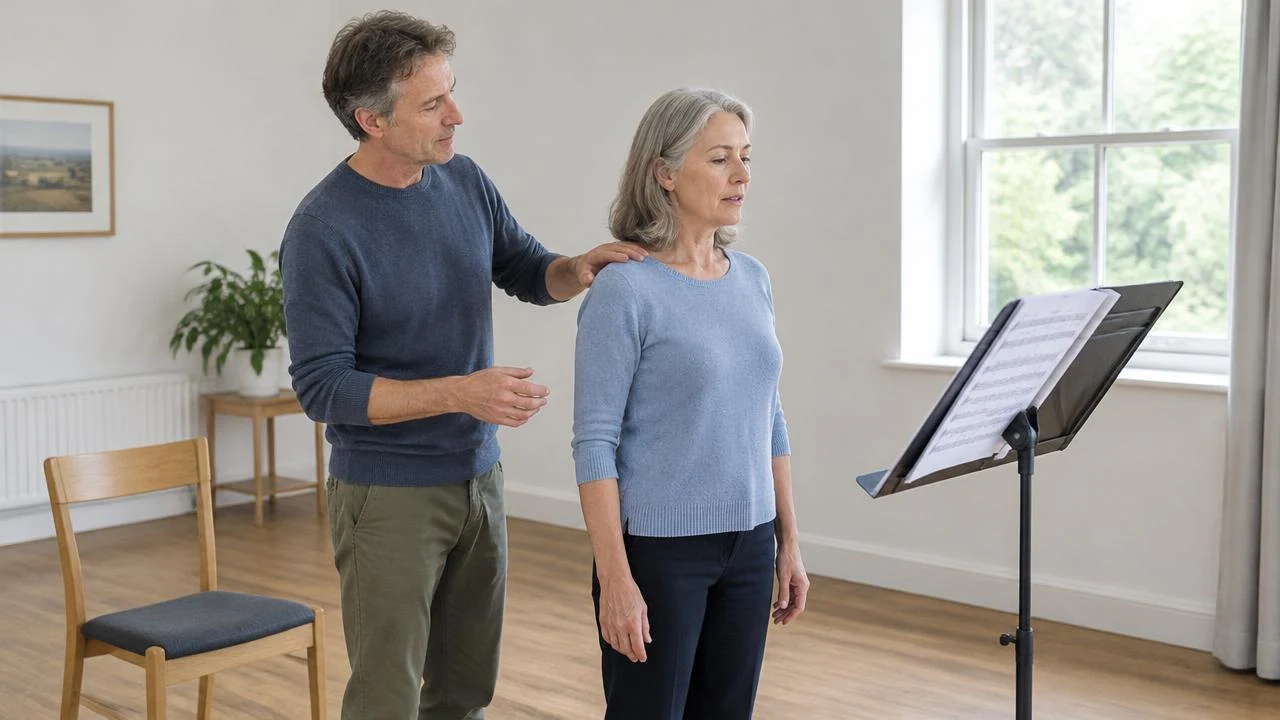
We’ll start with a conversation about something you’d like to do with more ease. I may ask you to show me the movement so we can notice what happens. I’ll guide you with words and, if you’re comfortable with it, gentle touch. You’re welcome to ask questions or say you’d prefer to work without touch.
That’s enough for a homepage. Link to What happens in a first lesson? for anyone who wants to know about clothing, lying down or working with their instrument. If you use terms such as inhibition, give them that extra space. In the choir, Hilary has spent years being encouraged to lose hers. A little context would help.
4. The teacher’s face, name and relevant credentials
Put a recent photograph of yourself beside a short introduction. Give your full name, your teaching qualification and any professional membership you currently hold. If your professional association has a public directory, link to your entry so someone can check it. Use only the letters and logos you’re entitled to display.
Then add one detail that would help a pupil choose you. Sam teaches in a room with a music stand and enough space to play an instrument. That fact takes one line and is worth considerably more to Hilary than the paragraph in which he describes himself as passionate. She’d assumed he was at least reasonably interested.
You could use a genuine pupil comment here if you have permission. Choose one that helps a reader picture the teaching. For a homepage this short, a specific detail about feeling comfortable asking questions is more useful than a general declaration that everything was wonderful.
5. The fee, the first available step and a way to ask
Hilary has decided she might like a lesson. The rehearsal room costs £6 a week, the bus costs what the bus costs these days, and she has a budget. Make the first-lesson fee and duration visible on the homepage. You know both numbers. It’s a small kindness to let her know them too.
For example, Sam could put this beside a short, live booking link:
First one-to-one lesson · 45 minutes · £50 In person in Sheffield. Bring an activity you’d like to explore, or we can start with an everyday movement. Choose a lesson time
Use your actual fee and arrangements. If follow-up lessons cost a different amount, show that too. If you offer a free introductory call, make it easy to choose and explain what it covers. A useful alternative for Hilary is Ask Sam a question, linked to a short form or a tappable business email address. Include your mobile number and say when you’ll reply.
Before you publish, hand your phone to someone who’s heard the name Alexander Technique but has never had a lesson. Ask them to find out, from the homepage alone, who teaches, what they’d do together, where it happens, what it costs and how to book. If they can answer all five, you can leave the founder’s biography and your thoughts on the meaning of poise behind plainly labelled links. There’s plenty of time for the people who want them to find them.
On the bus home the following Wednesday, Hilary opens Sam’s revised page. She reads the bit about the difficult passage and sends him a question. “Could I bring the first page of the Fauré? It’s the four bars before we come in that I’d like to look at.”
“Yes,” Sam replies. “Bring the music. We can start there.”
A week ago, Hilary was trying to sit like a photograph. Now she knows what to bring to her first lesson. It fits in her choir folder.
Before putting more time or money into attracting Alexander Technique pupils, check that your fees and the number of paid appointments you need add up. Do the maths for your practice.
Once Alexander Technique pupils find you, what happens before, during and after their appointment matters too. Give great service in your practice.
Where to go next
The same principle in other professions
Ideas often travel well between modalities.
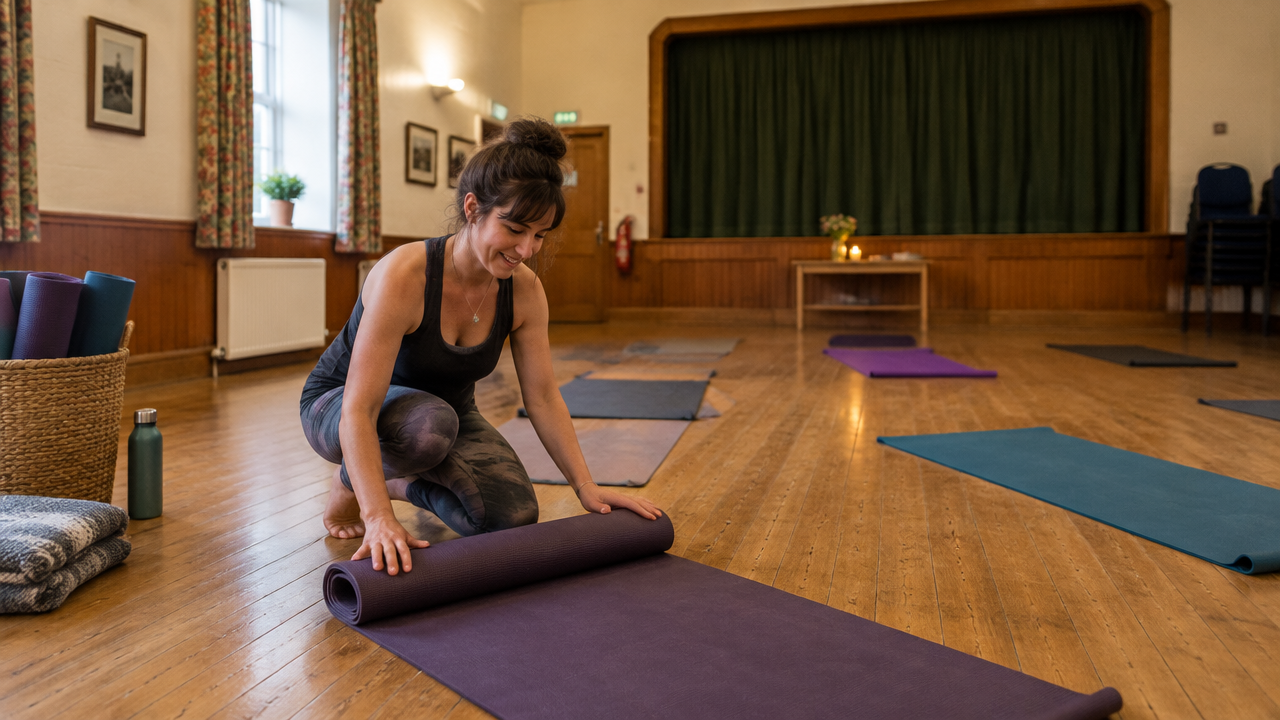
SEO for Yoga Teachers: 5 Ways to Help Local Students Find Your Classes
SEO for yoga teachers starts with giving each regular class a web page people can find, recognise and use this term.
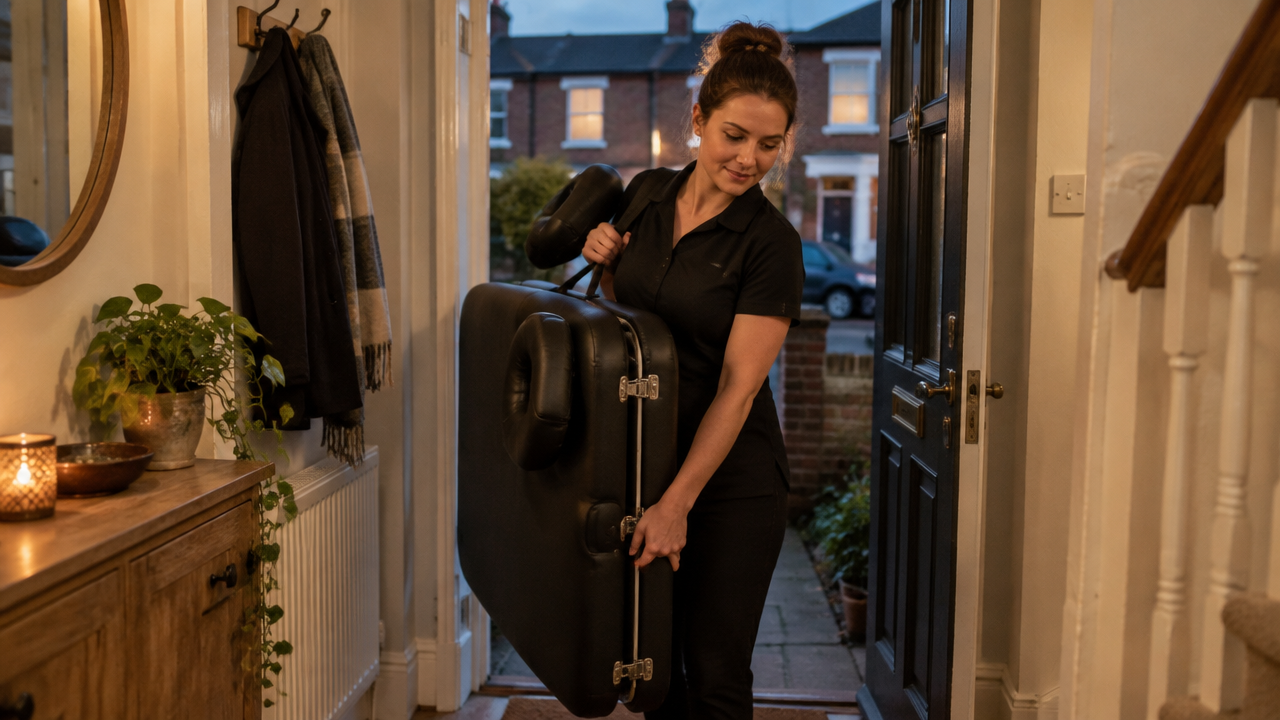
SEO for Massage Therapists: 5 Ways to Get Found for the Bookings You Want
The point of showing up in a local search is to have the right person book the right service, ideally at an address where one of you is expecting the other.
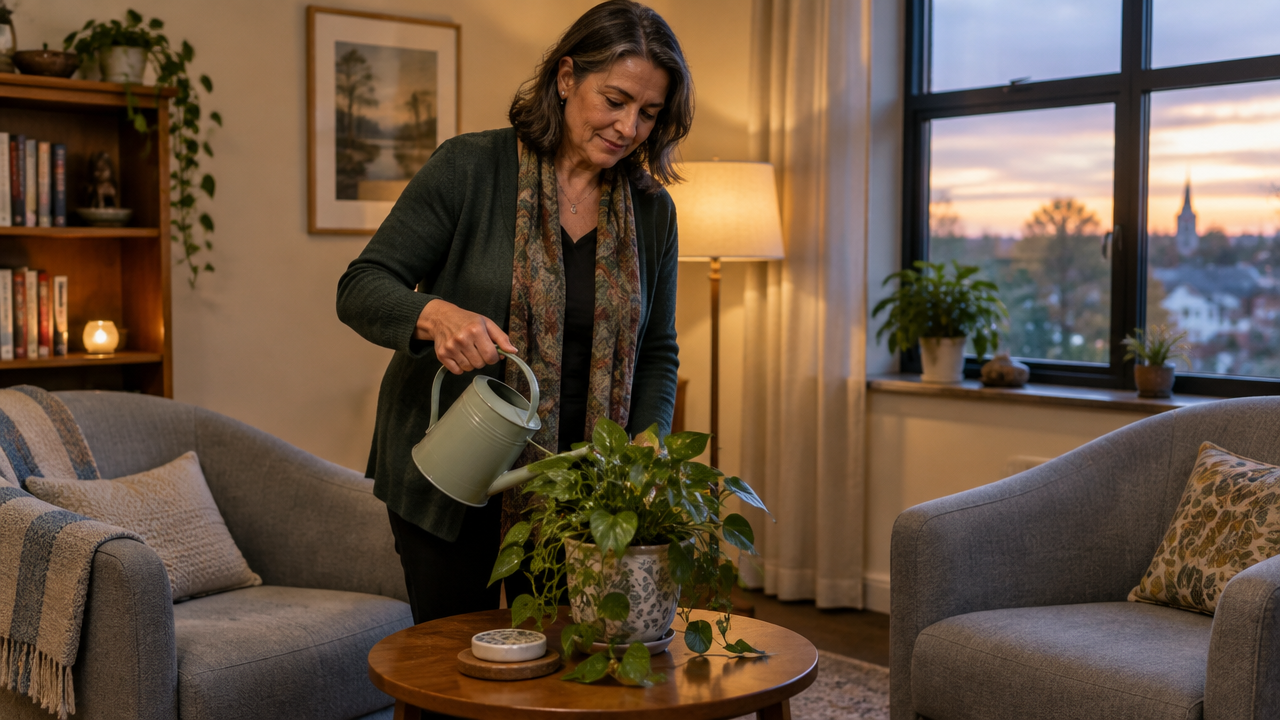
SEO for Counsellors: 5 Ways to Get Found Without Asking Clients for Reviews
You can’t put a review QR code on the consulting room door. SEO for counsellors is about making the words you publish meet the question a client is willing to type.

SEO for Coaches: 5 Ways to Get Found by People Who Need Your Help
SEO for coaches starts with the gap between what you call your work and what a prospective client calls their Tuesday. Here are five ways to close it.